Cannibalization Analysis: Protect Retail Revenue 2026
Every year, retail brands lose millions of dollars not to competitors, but to themselves. A new store opens, a fresh product launches, and instead of adding revenue, it simply steals customers from the brand's own existing locations. This is cannibalization and in 2026, it's one of the most underestimated threats to retail profitability.
7th May 2026 - 3 min read
What Is Cannibalization Analysis in Retail?
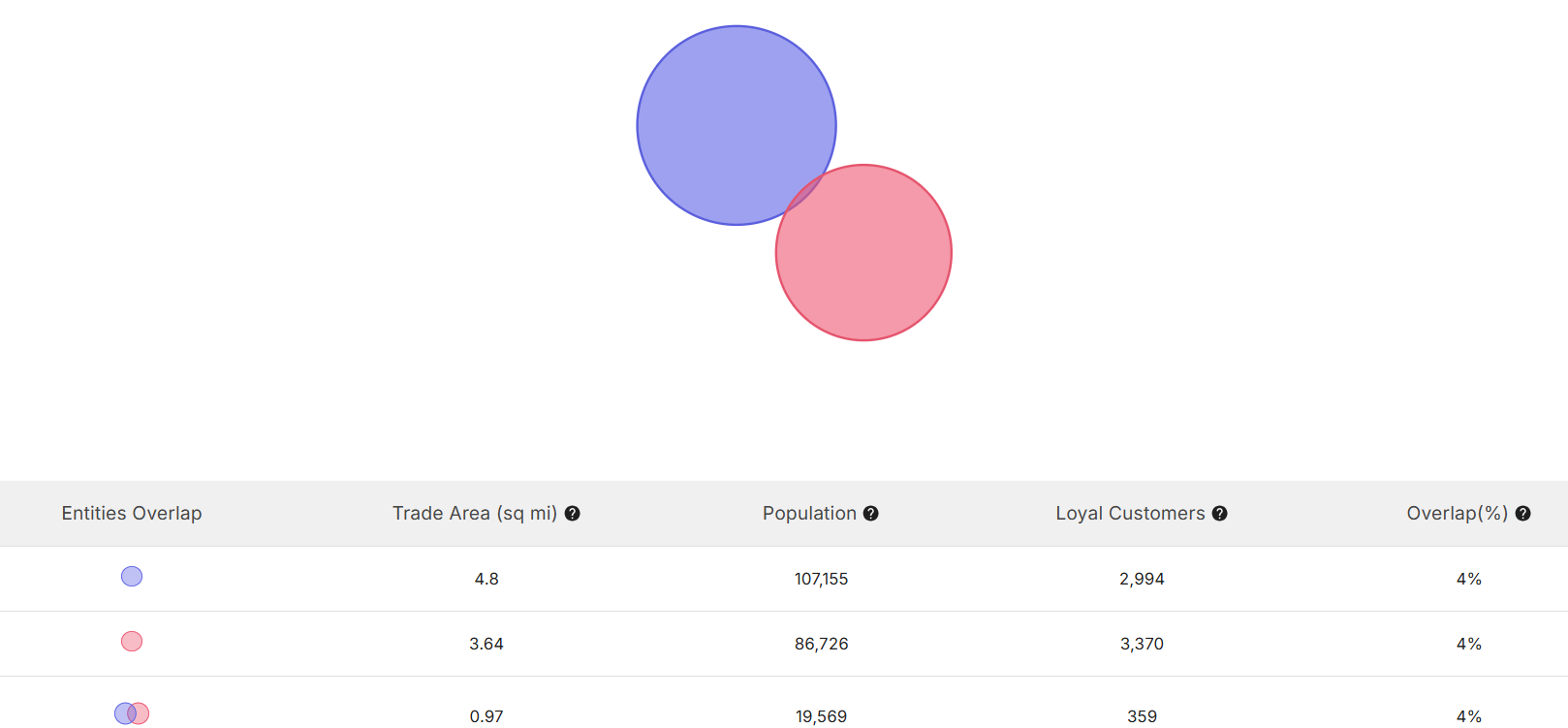
Cannibalization analysis is the process of evaluating how a new product launch, store opening, or pricing change impacts the existing revenue of a retail business. Put simply: when you introduce something new, is it growing the pie, or just cutting existing slices thinner? In retail, cannibalization occurs in two primary ways:
Product Cannibalization: A newly introduced SKU or product line pulls demand away from an existing item in your portfolio, reducing its sales volume, revenue, or market share. Location Cannibalization: A newly opened store draws foot traffic and customers from a nearby existing location, redistributing revenue rather than generating net-new growth.
The core question that cannibalization analysis answers is deceptively simple: Is this expansion truly incremental, or is it just moving money from one pocket to another? Without answering this question before committing to leases, inventory buys, and marketing spend, retailers are making multi-million dollar decisions in the dark.
Types of Retail Cannibalization
Understanding the different forms of cannibalization is the first step to containing it. Here are the four most common types impacting retail brands in 2026:
Product Cannibalization
- When a new SKU is too similar to an existing one in price, features, or target customer, it simply redirects existing demand rather than capturing new buyers. This is especially common in brand line extensions where differentiation isn't clearly defined.
Location (Geographic) Cannibalization
- Opening a new store within the trade area of an existing location splits the customer base. Both stores end up competing for the same households, eroding individual store performance and often reducing the overall market revenue.
Price-Driven Cannibalization
- Discounting a product heavily can train customers to wait for promotions rather than purchase at full price. This erodes revenue from a category that was previously performing at margin. E-commerce channels offering lower prices than physical stores are a growing example of this dynamic.
Channel Cannibalization
- As retail becomes omnichannel, online stores can undercut in-store performance, especially when prices, promotions, or inventory differ. A customer acquired through digital channels may reduce revenue from the physical store that was originally serving them.
How to Calculate the Cannibalization Rate
Measuring cannibalization starts with a straightforward formula:
The Cannibalization Rate Formula
Cannibalization Rate (%) = (Sales Lost on Existing Product or Location ÷ Sales of New Product or Location) × 100
Example:
New store monthly revenue: $500,000
Decline in nearest existing store revenue: $150,000
Cannibalization Rate: (150,000 ÷ 500,000) × 100 = 30%
Warning Signs Your Brand Is Cannibalizing Itself
Many retail brands don't detect cannibalization until it's already eroded margins. Watch for these signals:
- Same-store sales declining after a nearby location opens
- Customer overlap increasing between locations, the same device IDs visiting two of your stores
- New product launch accompanied by a drop in related SKU sales with no external competitive change
- Trade area shrinkage — customers from a particular zip code shifting from one location to another
- Flat or declining network revenue despite opening new doors
- Inventory imbalances as demand shifts without forecasting adjustments
- Promotional dependency increasing — customers only buying on discount
If you're seeing two or more of these simultaneously, a cannibalization analysis isn't optional — it's urgent.
Conclusion: Protect Your Retail Revenue Before It Walks Out the Door
In 2026, retail success isn't just about opening more doors or launching more products, it's about ensuring every new move adds genuine value to the network rather than redistributing existing revenue. Cannibalization analysis is no longer a nice-to-have analytical exercise. It's a core discipline of intelligent retail expansion.
The brands that will lead their categories over the next five years are the ones who understand their network as a system making decisions that strengthen the whole, not just the newest part.
MapZot.AI gives retail brands the AI-powered location intelligence, cannibalization modeling, and trade area analytics to do exactly that. Whether you're evaluating your next 10 locations or protecting the 200 stores you already operate, the platform provides the clarity that turns expansion from a risk into a competitive advantage.