Every four years, the FIFA World Cup turns ordinary Tuesday afternoons into full-blown cultural events. But with the tournament landing on U.S. soil, the ripple effect isn't confined to stadiums alone. It's showing up in sports bars, coffee shops, downtown plazas, and pop-up fan zones in nearly every major metro. For brands, retailers, and venue operators, this is more than a scheduling curiosity, it's a measurable shift in where people go, when they go, and how long they stay.
At MapZot.AI, we look at these moments through the lens of foot traffic data: the real-world movement patterns that reveal how consumer behavior changes around major events. Here's what the World Cup watch party phenomenon typically looks like on the ground and what it means for brands trying to capture attention in a crowded, high-energy moment.
Sports Bars & Restaurants: The Primary Beneficiaries
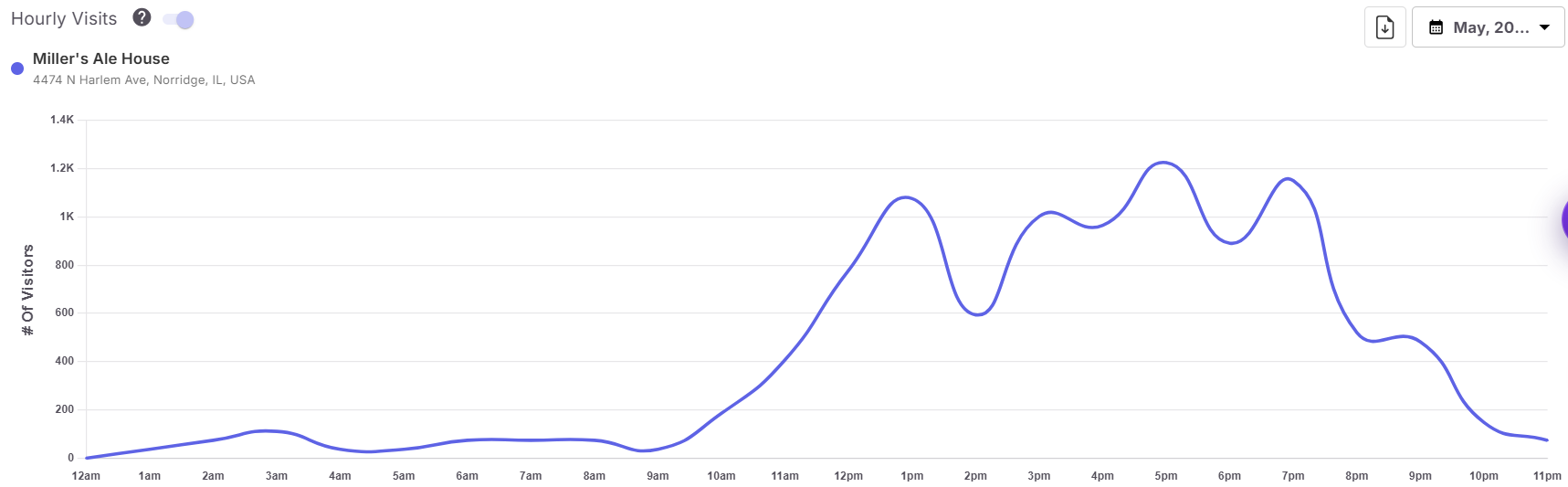
Unsurprisingly, bars and restaurants with screens, sound, and a game-day atmosphere tend to see the sharpest visit spikes on match days, particularly when a marquee matchup or a U.S. national team game is on the schedule. Foot traffic patterns around these events typically show:
Visit surges concentrated in tight windows around kickoff, rather than spread evenly throughout the day, meaning venues effectively compress a day's worth of demand into a two-to-three-hour window.
Longer average dwell times compared to a typical weekday visit, as groups stay through halftime, extra time, and post-match celebration or commiseration.
Elevated visits even on weekday afternoons, a pattern rarely seen outside of major sporting events, as fans adjust work schedules around the tournament.
For multi-location restaurant brands, this creates a clear opportunity to identify which specific locations are becoming “watch party hubs” in their trade areas, and to staff, stock, and market accordingly rather than applying a one-size-fits-all approach across the portfolio.
Cafes and Casual Daytime Venues
Not every match kicks off during prime bar hours. Group stage games and early rounds often air during the workday, and that's where cafes, breakfast spots, and casual fast-casual venues quietly capture incremental traffic. Foot traffic data around similar international tournaments has historically shown:
Modest but consistent visit lifts on days with morning or midday kickoffs, especially near office corridors and mixed-use districts.
An uptick in “linger” behavior, people ordering a coffee and staying through a match rather than a quick in-and-out visit.
Increased group visits, as coworkers or friends coordinate meetups around specific games.
These patterns matter because they reveal a secondary watch party economy that's easy to overlook if a brand is only monitoring headline sports bar traffic.
Stadium Viewing Parties and Official Fan Fests
Host-city stadiums and FIFA Fan Festival zones function as traffic magnets in their own right, often reshaping mobility patterns across an entire downtown core. Around these sanctioned viewing events, brands can expect to see:
Significant visit increases not just at the event site, but at nearby retail, dining, and hospitality venues in a broadening radius as attendees arrive early and stay late.
Traffic patterns that extend well beyond the match itself, with pre- and post-game visitation creating extended commercial windows for surrounding businesses.
Out-of-market visitor activity, as fan fests draw travelers whose spending and movement patterns differ meaningfully from local regulars.
For brands with a physical presence near host-city stadiums or fan fest zones, this is a rare window where foot traffic isn't just elevated, it's fundamentally reshaped in terms of who is showing up and why.
Public Squares and Outdoor Screenings
Large-screen public viewings in city squares and parks represent some of the most unpredictable and potentially highest-upside, watch party formats. Because these events are often free, informal, and open to walk-up attendance, foot traffic around them tends to be more volatile and more dependent on factors like weather, match significance, and local team involvement. Brands operating near these public gathering points should watch for:
Sharp, event-specific spikes tied closely to marquee matches rather than steady lift across the tournament.
Strong halo effects on adjacent retail and quick-service dining as crowds disperse before and after screenings.
Opportunities for hyper-local activation, since these crowds are geographically concentrated and highly visible.
What This Means for Brands
The throughline across all four venue types is the same: the World Cup doesn't just create a viewing occasion, it creates a measurable, mappable shift in consumer movement. For brand marketers, real estate teams, and local operators, that translates into several practical opportunities:
Location-specific activation over blanket campaigns. Not every location in a portfolio will see the same lift. Foot traffic data allows brands to identify which specific venues are becoming watch party destinations and concentrate marketing, staffing, and inventory investment there rather than spreading resources evenly across a network.
Smarter sponsorship and media spend. Brands evaluating sponsorship opportunities near fan fests, stadiums, or public viewing sites can use historical and real-time visitation data to validate expected reach before committing spend, rather than relying on assumptions about crowd size.
Staffing and inventory planning tied to match schedules. Because visit spikes cluster tightly around kickoff times, operators can use foot traffic patterns to align staffing levels and inventory with specific match windows rather than generic “busy season” assumptions.
Understanding the halo effect. Watch parties don't just benefit the venue showing the match, they lift the surrounding commercial ecosystem. Brands adjacent to major viewing sites can use this data to time promotions, extend hours, or create complementary experiences that capture overflow demand.
Benchmarking performance against the broader trend. Perhaps most importantly, foot traffic data lets brands separate genuine, location-specific success from the tournament's general lift. A location outperforming the category-wide World Cup bump is doing something right; one merely riding the wave isn't.
Turning Moments Into Measurable Strategy
The FIFA World Cup is a reminder that some of the biggest shifts in consumer behavior aren't seasonal or even annual, they're event-driven, short-lived, and highly concentrated in time and place. Brands that can see these patterns as they unfold, rather than reconstructing them after the fact, are better positioned to make real-time decisions on marketing, staffing, and site selection.
That's the core value of foot traffic intelligence: turning a cultural moment like the World Cup into a measurable, actionable signal, one that helps brands understand not just that people showed up, but where, when, how long they stayed, and what that means for the business behind the address.
Every four years, the FIFA World Cup turns ordinary Tuesday afternoons into full-blown cultural events. But with the tournament landing on U.S. soil, the ripple effect isn't confined to stadiums alone. It's showing up in sports bars, coffee shops, downtown plazas, and pop-up fan zones in nearly every major metro. For brands, retailers, and venue operators, this is more than a scheduling curiosity, it's a measurable shift in where people go, when they go, and how long they stay.
At MapZot.AI, we look at these moments through the lens of foot traffic data: the real-world movement patterns that reveal how consumer behavior changes around major events. Here's what the World Cup watch party phenomenon typically looks like on the ground, and what it means for brands trying to capture attention in a crowded, high-energy moment.